: a fast growing wave of developments now promises not just comfort, but a healthier way of living.
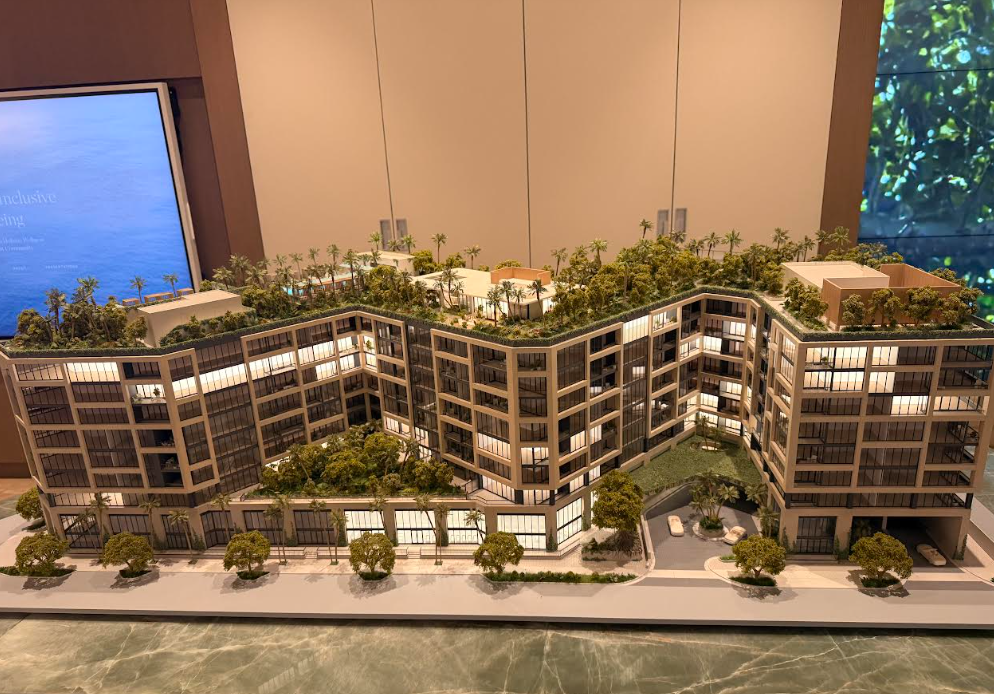
intentional design, construction, and operation of buildings and communities to support the holistic health of occupants, has come to Miami. One of the most talked-about examples is THE WELL, a new wellness-focused residential complex being built right near RE’s campus in the heart of Coconut Grove.
Instead of advertising rooftop pools as the main selling point, wellness buildings promote features like saunas, cold plunges, filtered air systems, and wellness clubs. According to the Global Wellness Institute, the global wellness real estate market reached $438 billion in 2023, and it is predicted to more than .
That tension between genuine health design and luxury branding is part of the larger debate around wellness real estate. In a report on the growing global market, the Financial Times noted that developers are building wellness-focused residences worldwide, and that projects like THE WELL can charge significantly above typical local prices, raising questions about accessibility and long-term value.
In Miami, that trend is starting to feel impossible to ignore, with other wellness-centered projects like Life Time on US-1 reshaping the landscape of the city. Terras Group’s official project page for THE WELL Coconut Grove describes 194 residences across 8 floors, including a 13,000-square-foot Wellness Club and a wellness-focused rooftop.
From the perspective of RE students, wellness is already everywhere, and real estate is simply catching up. “It’s wellness, but it’s definitely overpriced; you’re paying for the branding,” said Jordan Posner ’28. Posner pointed out how wellness culture has become both real and performative in Miami, especially on social media.
Mariana Alvarez, a Bay Harbor islands resident who has lived in the area for almost ten years, said she has watched the neighborhood become increasingly crowded with luxury construction. She has seen THE WELL project signs and the ongoing development nearby. “The idea sounds nice,” Alvarez said, noting that a project like this could bring business and attention to the area.
Alvarez also worries, however, that it will push prices higher and change the feeling of the community. Her biggest concerns are also practical ones, like traffic and construction. “Everything starts feeling like luxury Miami, and less like a real community,” she said.
Experts in design and real estate say that wellness branding can be meaningful, but only when it is done correctly.
Chiqui Delgado, an interior designer and real estate professional, explained that wellness in housing is not just about trendy amenities. It begins with how space makes people feel. “It’s not only about looking beautiful. It’s about health and calm and routine,” Delgado said. She emphasized the role of natural light and clean materials. Delgado also pointed out that some developers use wellness as a selling label to raise prices, even if the wellness aspect is minimal. “The fake version is when they add one little sauna and suddenly it’s a wellness building. That’s not wellness, that’s marketing,” she said.
In Miami, the debate feels even sharper because luxury development is already so intense.