$40.
One box.
Opaque plastic wrapping.
The thrill of opening a highly-sought after Labubu box is unmatched—until you tear off the packaging and notice something’s off. The smile looks a bit too creepy, the paint is chipping off, and the head spins all the way around. You have become the 1,000th victim of the Lafufu scam, a deceptive trend luring millions of buyers around the world.
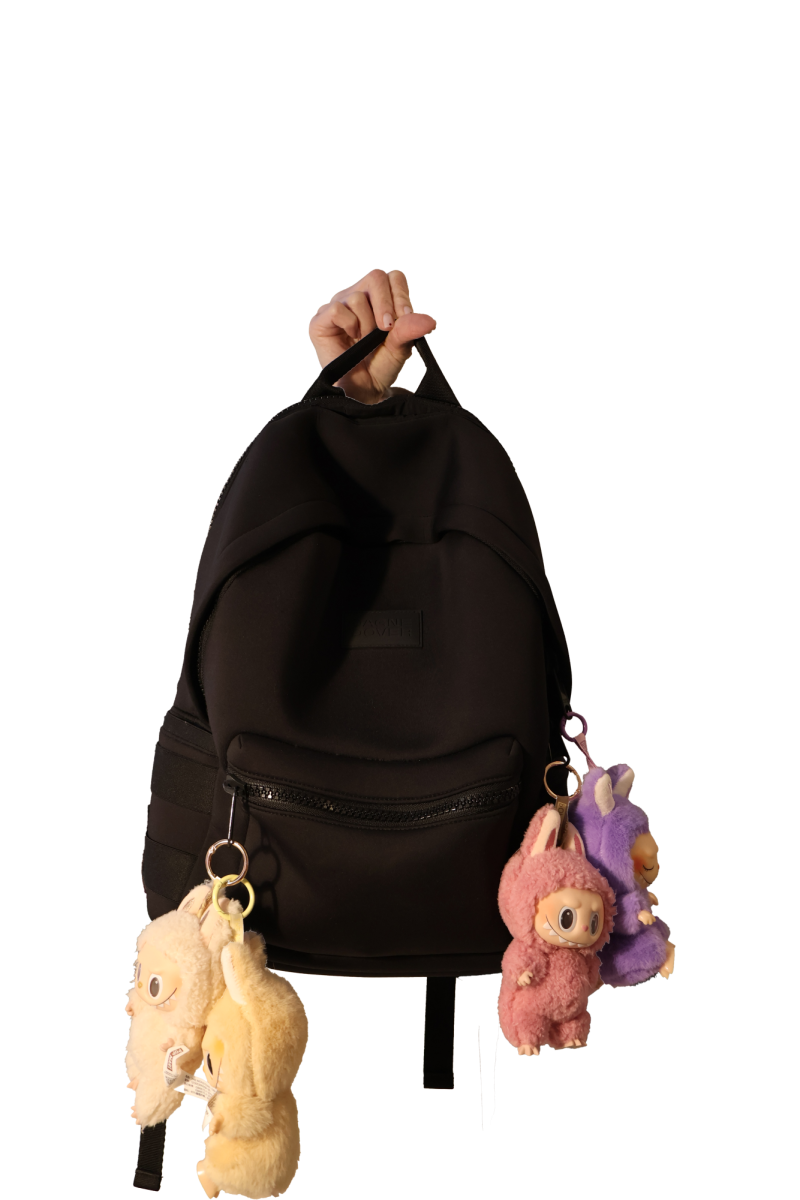
What began as a niche figurine fad has quickly evolved into a full-blown campus craze. Fuzzy monsters now dangle from the zippers of many students’ bags. Many question their appeal, but it is undeniable that Labubus and their counterfeits, Lafufus, have made a profound impact on the fashion choices of RE students. Labubus have become status symbols—a small but telling reflection of how global consumer trends seep into everyday student life.
As English teacher Mr. Adam Schachner, a proud owner of a Lafufu himself, noted, “People definitely love stuff. And if stuff can come with status, that makes people love stuff all the more.”
The ugly-cute plush monster dolls, which come in a variety of styles and colors, were introduced in 2016 by a Chinese toy company known as Pop Mart. But the collectibles didn’t take off until K-Pop star Lisa (from Blackpink) was spotted with one on her purse. Lisa was not sponsored by Pop Mart for this; she did it out of her own interest in the brand. After this encounter, sales surged, and Labubus became a new fashion trend among influencers, seen clipped on Hermes bags or high-end backpacks.
This year alone, Pop Mart sales surpassed $1.9 billion for the first half of the year, exceeding the revenue for all of 2024, according to the New York Times.
In the U.S, a Labubu box usually goes for $27.99, but the trend has pushed resale prices far beyond retail. Journalist Gabrielle Fahmy reported that a rare Labubu sold on Ebay for $10,500, meaning its resale value was more than 370 times the original price.
The Labubus come in “blind boxes,” adding to the allure behind the ‘mystery toys’ and generating excitement behind each new unboxing posted on social media. Numerous celebrities, including Kim Kardashian and Rihanna, have amplified the doll’s influence by featuring them in paparazzi photos.
Carlota Sarcos ’28 expressed her opinion on the meteoric craze behind the dolls: “Labubus feel like a trend no one truly understands, but everyone wants in on. It’s been around for years, but after one influencer post, it suddenly exploded, and people chased it just because it was the next big thing.” Sarcos added, “This kind of ‘hype’ shows how consumer culture often values popularity over meaning.”
Mr. Schachner reflected on how far people are willing to go to feel like they’re part of the new trend, even if that means succumbing to counterfeits. “The fact that status is attached to [Labubus] and is creating that desire to have one by any means, including illicit means… should force us to ask ourselves what the value of this thing truly is,” Mr. Schachner said.
With demands for Labubus skyrocketing, counterfeits were bound to appear. The imitations have not only misled buyers but also raised health concerns about the dolls themselves.
Because Lafufus are made in cheap, low-quality facilities, they have been found to contain toxic chemicals, such as lead and phthalates. The U.S. Consumer Product Safety Commission has found that the “Lafufu” figurines can also break apart easily and pose a choking hazard to young children.
Some collectors, however, are aware that they are buying dupes and perceive the fakes as being equally desirable as the luxury Labubus.
“It’s not a fake Labubu, but it’s not the original either. We buy it from a legitimate company-not some underground seller. They produce and sell it openly, so I guess they’re allowed to do it,” said Ozzy, owner of A-Z Toys, a retailer in Miami.
In late August, what was disguised as a mass shipment of LED bulbs from South Korea was really 11,134 counterfeit Labubus, violating intellectual property rights. The Lafufus, valued at $500,000, was intercepted by Seattle-Tacoma airport officials and confiscated on site.
The Library of Congress’ Federal Research Division approximated that counterfeit items (like Labubus) are valued even higher than the illicit drug industry in the U.S, labeling the counterfeit trade as “the largest criminal enterprise in the world.”
At the core of the Labubu trend stands a deeper psychological explanation: as social psychologists like Philip Kotler have shown, consumerism is powered by the need to belong. Customers don’t just spend rent on Labubus to have a new accessory on their handbag; they are willing to buy into trends—even fakes—just to feel included.
Ironically, that desire to be part of the trend by any means necessary only ends up accelerating its decline. The Labubu craze seems to be waning. CNBC reported that Pop Mart’s Hong Kong-listed shares have dropped more than 5%. Analysts say they are on track to sizzle out as 2025 comes to an end. Labubus’ popularity has declined due to oversaturation in the market and the rise of counterfeit dolls undermining their exclusivity.
FOMO underlines this whole phenomenon: buying because it’s hot now, even if you know it won’t last. “Our attention and desire for it burns through the market very quickly,” Mr. Schachner said. “There’s always the next market that comes along, and it usually comes along rapidly.”